What it is
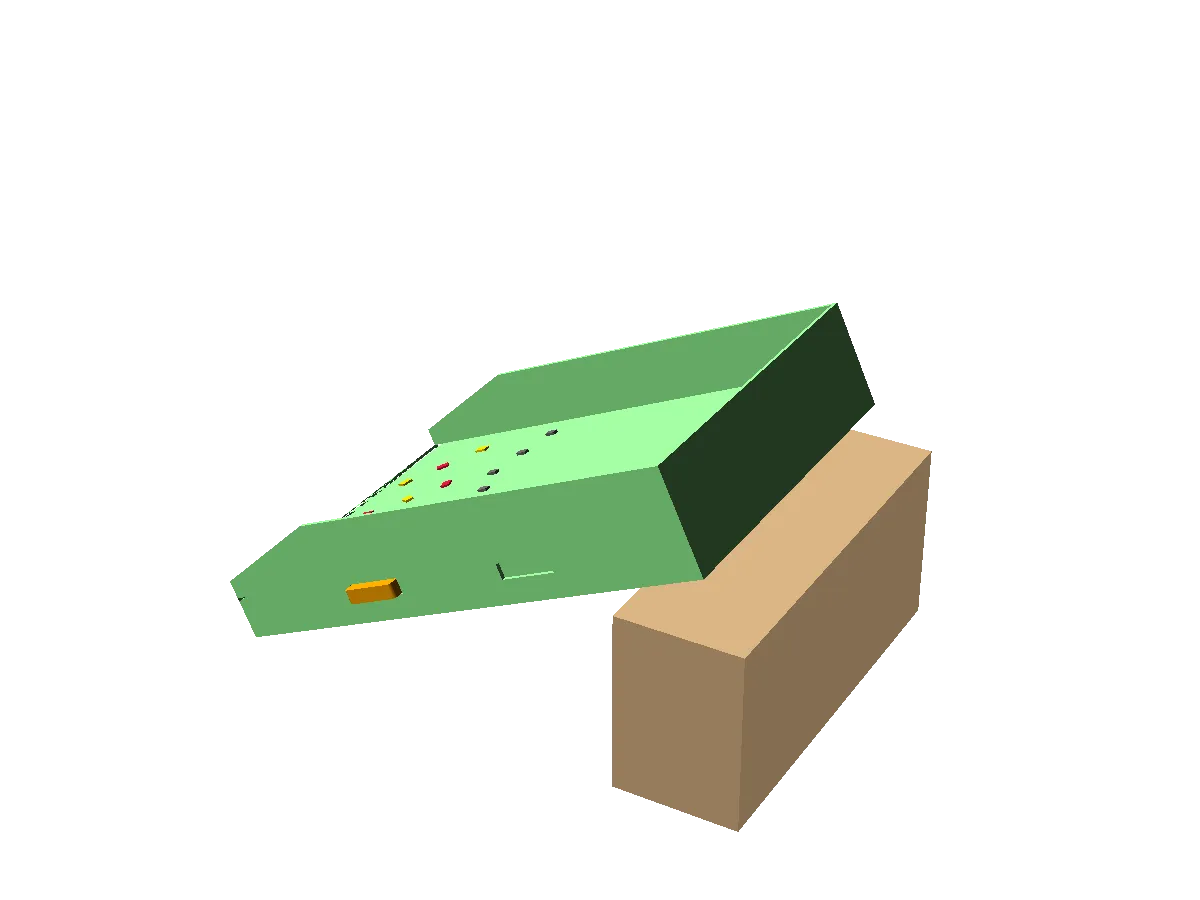
A clear PET drink bottle is cut into one long, thin ribbon. The ribbon is pulled through a heated brass nozzle, which curls it into a round strand: 3D-printer filament. A small motor does the pulling and winds it onto a spool.
It is the simplest way into plastic recycling we know. No shredder, no extruder, no big heater. A 40 W heater and one motor.
The design is the Recreator3D MK6 “Fun Size” by Joshua R. Taylor. We are building it from a dead TEVO Tarantula 3D printer: its frame, board, screen and motors get a second life.
Why it matters here
Drink bottles leave the Peninsula on a truck. This turns some of them into the material we prototype with, in the workshop, on the main street. It is also the most watchable thing we will make: a bottle visibly becomes a spool.
Three levels
- Beginner: the printed hand cutter only. The ribbon becomes rope, basket weaving, plant ties. No heat.
- Maker: the full machine.
- Expert: diameter feedback, tension control, drying, and print tests against new filament.
Where it stands
- All the printed parts are prepared and checked (15 broken files repaired).
- The donor printer is identified: frame, board, screen and motors. Still to check: the power supply, hotend and firmware.
- The safety checks before first heat-up are written: power supply tested and tagged, and proof that the heater shuts off if the temperature reading goes wrong.
- Still to do: buy the small hardware, assemble, first pulls.
Known difficulties
PET must be very dry or it prints badly. Bottle shoulders give an uneven ribbon. Labels and colours complicate things, so we start with clear bottles. Our physics estimate is 5–9 m of filament from a 1.5 L bottle. We will measure it and publish the real number.
One rule
The MK6 licence is non-commercial. We can build it, film it, teach with it and share our changes. We will never sell it, its parts, or kits of it.
Les plans sont gratuits — the plans are free.