What it is
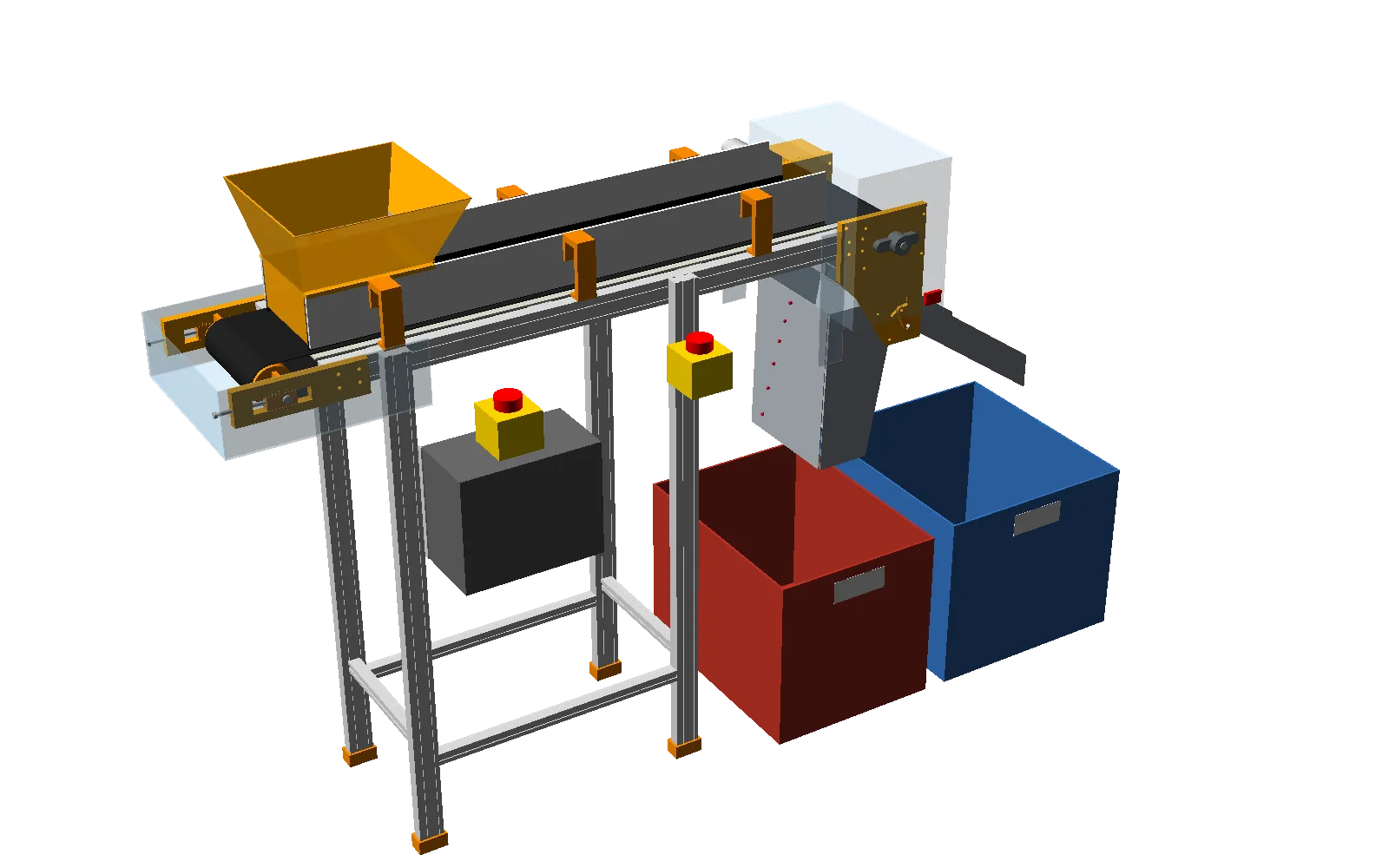
Before any machine, there’s a row of bins. Each one takes one kind of material:
- clear PET drink bottles, whole, caps off (for the bottle machine);
- HDPE and PP caps and containers, kept apart (for the sheet press);
- PLA and PETG print waste (for filament from print waste);
- plain brown cardboard (for moulded pulp);
- steel and aluminium cans and scrap;
- “unknown” — the plastic identifier decides;
- PVC (code 3), set aside and never heated.
Every bin is weighed once a week. Those kilograms are the honest impact number.
Why it matters
Mixed plastics can’t be recycled together. Sorted waste is the real asset, and sorting a whole object is easy — sorting a 5 mm flake is hard. So we sort first and shred later.
How to read a resin code
Look for the little triangle of arrows with a number inside. 1 = PET, 2 = HDPE, 3 = PVC, 4 = LDPE, 5 = PP, 6 = PS, 7 = other. Codes are often missing or wrong, which is why the float test and the scanner exist.
Where it stands
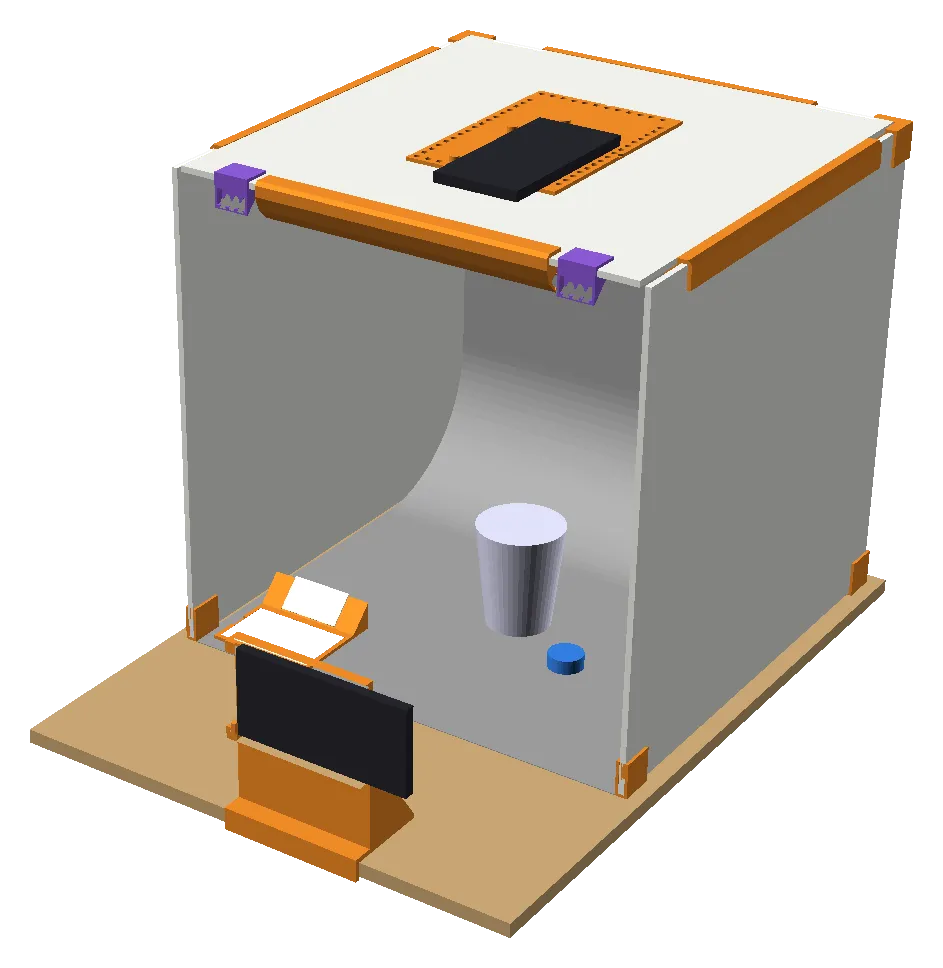
Planned, not yet set up. The intake station design takes this idea further, with photos and records for each item. A good first job for a volunteer who likes labels.
Les plans sont gratuits — the plans are free.